


Laser-Assisted Periodontal Therapy: Revolutionizing Gum Disease Treatment
Laser technology has revolutionized many aspects of modern dentistry, and periodontics is no exception. Laser-assisted periodontal therapy offers a minimally invasive and highly effective alternative to traditional gum surgery. It has become an essential tool in managing periodontal disease, promoting tissue regeneration, and improving patient comfort and outcomes.
Understanding Periodontal Disease
The Nature of Periodontitis
Periodontitis is a chronic inflammatory condition caused by bacterial infection, leading to the destruction of the supporting structures of the teeth, including the gums, periodontal ligament, and alveolar bone.
Traditional Treatment Limitations
Conventional periodontal treatments often involve scaling and root planing (SRP), and in severe cases, flap surgery. While effective, these procedures may result in discomfort, longer recovery, and esthetic concerns.
How Lasers Work in Periodontics
Types of Lasers Used
Dentists use various laser wavelengths based on their tissue absorption properties:
- Diode Lasers: Primarily for soft tissue procedures.
- Nd:YAG Lasers: Used for deep periodontal pockets and bacterial decontamination.
- Er:YAG Lasers: Effective for hard tissue and root surface modification.
Mechanism of Action
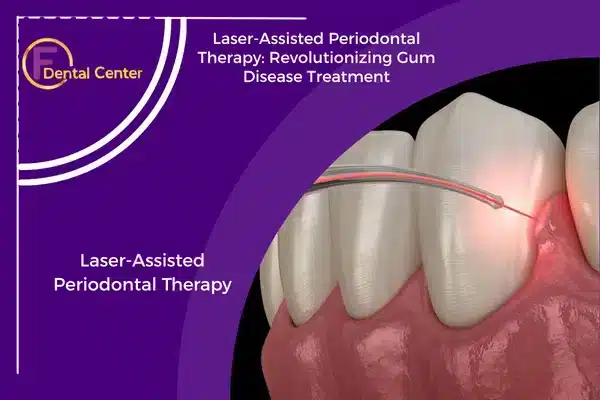
Laser energy targets and vaporizes infected tissue and bacteria without harming healthy structures. Simultaneously, it stimulates blood clot formation, seals nerve endings, and supports faster healing.
Clinical Applications of Laser Periodontal Therapy
Laser-Assisted New Attachment Procedure (LANAP)
LANAP is a widely recognized FDA-cleared protocol that removes diseased tissue, disinfects periodontal pockets, and stimulates new tissue attachment and bone regeneration without cutting or suturing.
Pocket Decontamination
Lasers are effective in sterilizing deep periodontal pockets, reducing bacterial load, and creating a healthier environment for tissue recovery.
Gingival Recontouring and Aesthetic Enhancements
Lasers allow for precise reshaping of gum tissue, correcting gummy smiles, uneven gum lines, and enhancing crown length for restorative procedures.
Frenectomy and Peri-Implantitis Treatment
Lasers facilitate soft tissue procedures such as frenectomy with minimal bleeding and discomfort. They are also used to decontaminate infected implant surfaces in cases of peri-implantitis.
Benefits of Laser Therapy for Patients
Minimally Invasive Procedure
Laser therapy reduces or eliminates the need for incisions and sutures, resulting in less postoperative pain and swelling.
Accelerated Healing
Laser-treated sites typically heal faster, with minimal discomfort and improved tissue regeneration.
High Precision and Selectivity
Lasers can target diseased tissues while preserving healthy tissue, increasing the effectiveness and safety of the procedure.
Reduced Anxiety and Improved Comfort
Patients with dental anxiety often prefer laser therapy because it is quieter, less invasive, and requires little to no anesthesia.
Comparison with Traditional Periodontal Surgery
Surgical Trauma
Laser therapy offers a conservative alternative to flap surgery, preserving tissue and minimizing trauma.
Recovery Time
Patients experience quicker recovery, fewer complications, and are often able to resume daily activities sooner.
Clinical Outcomes
Studies show comparable or superior results with lasers in terms of pocket depth reduction, attachment level gain, and patient satisfaction.
Laser Safety and Training
Clinical Protocols
Strict safety protocols must be followed, including proper laser settings, patient eye protection, and tissue handling techniques.
Practitioner Expertise
Only trained dental professionals should perform laser-assisted procedures to ensure optimal outcomes and avoid complications.
Integration of Laser Therapy at F Dental Center
Technology and Equipment
F Dental Center uses state-of-the-art laser systems calibrated for a range of periodontal and soft tissue procedures.
Personalized Treatment Plans
Each patient receives a customized plan based on periodontal assessment, disease severity, and esthetic considerations.
Collaboration Across Specialties
Laser therapy is often integrated with other periodontal treatments, including scaling, bone grafting, and regenerative procedures for comprehensive care.
Patient Education and Involvement
We educate patients on how laser treatment works, its advantages, and expected results to ensure informed decisions and increased trust.
Case Studies and Success Stories
Severe Periodontitis Management
Patients with deep pockets and bone loss have achieved remarkable improvements in gum health and tooth stability after laser therapy.
Cosmetic Gum Lift
Patients seeking aesthetic smile enhancement benefit from laser contouring, achieving natural-looking and harmonious results.
Implant Maintenance
Lasers effectively manage early implant complications, preserving implant health and preventing failure.
Future Trends in Laser Periodontics
Photobiomodulation Therapy
Low-level lasers may soon be used to stimulate cellular activity, enhance wound healing, and reduce post-surgical discomfort.
Combined Laser and Regenerative Techniques
Combining laser therapy with biologics and bone grafts enhances healing and regeneration in severe cases.
Artificial Intelligence Integration
AI may support laser treatment planning by analyzing imaging data and suggesting precise intervention protocols.
Conclusion
Laser-assisted periodontal therapy offers a cutting-edge approach to managing gum disease and enhancing soft tissue aesthetics. With precision, comfort, and faster healing, it stands as a preferred treatment option for many patients. At F Dental Center, we remain at the forefront of laser technology, offering tailored solutions that meet both medical and cosmetic needs, ensuring healthier smiles and happier patients.